
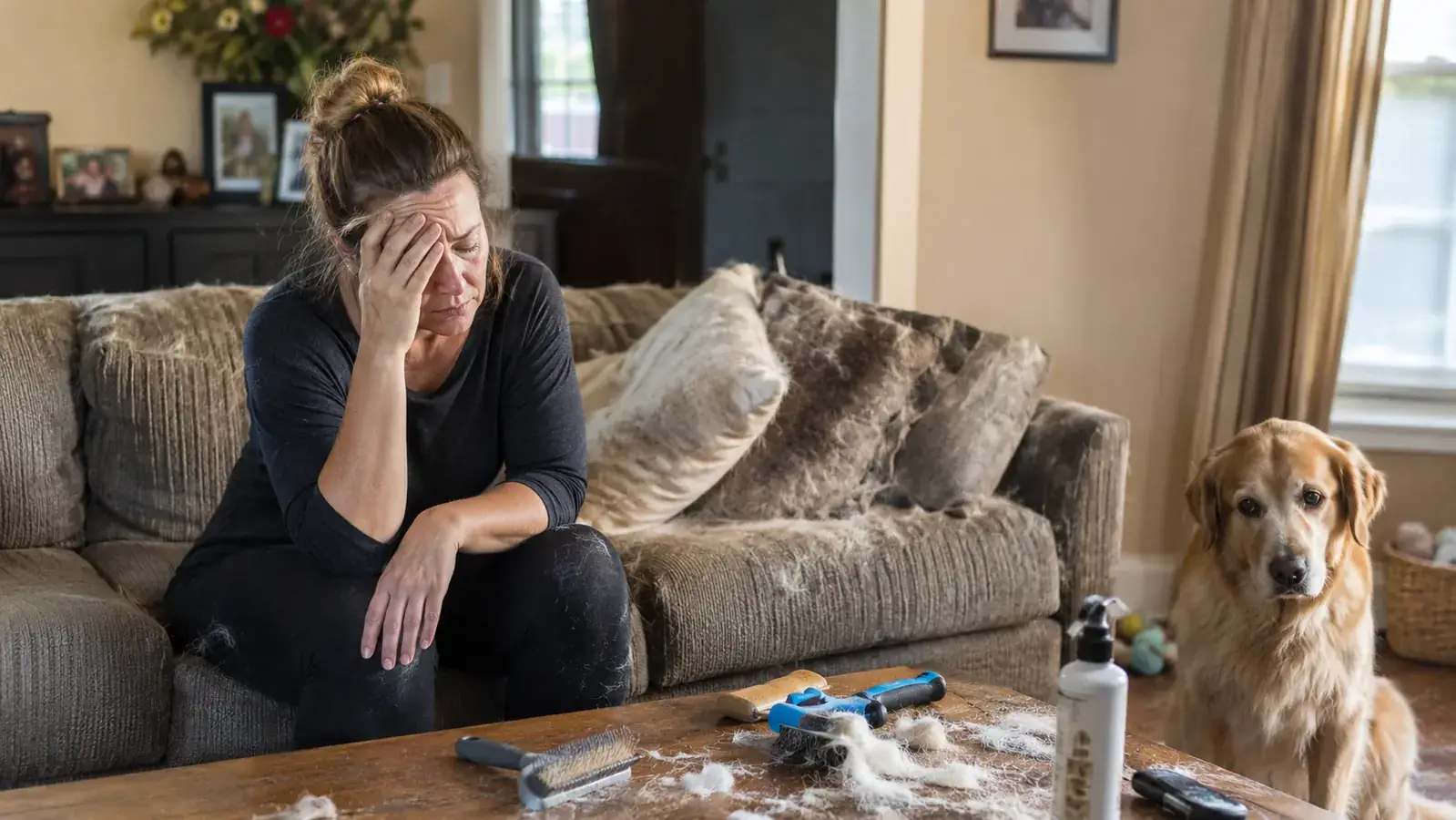
I did not realize how many grooming habits I had wrong until my cat, Biscuit, started hiding every time I picked up a brush. It was not her being dramatic. I was brushing too hard, in the wrong direction, with a tool that was pulling at her undercoat instead of working through it. My small dog Pepper had the same problem in reverse: I was being so gentle I was not actually removing anything, and she ended up matted near her collar twice in one winter.
Most grooming mistakes are not obvious until the damage is done. Mats form slowly. Skin irritation builds over weeks. A pet that used to tolerate brush time starts avoiding you the moment you open the drawer. These 10 mistakes are the ones I see most often, and each has a simple fix.
Still using the wrong brush? This is the one I switched to.
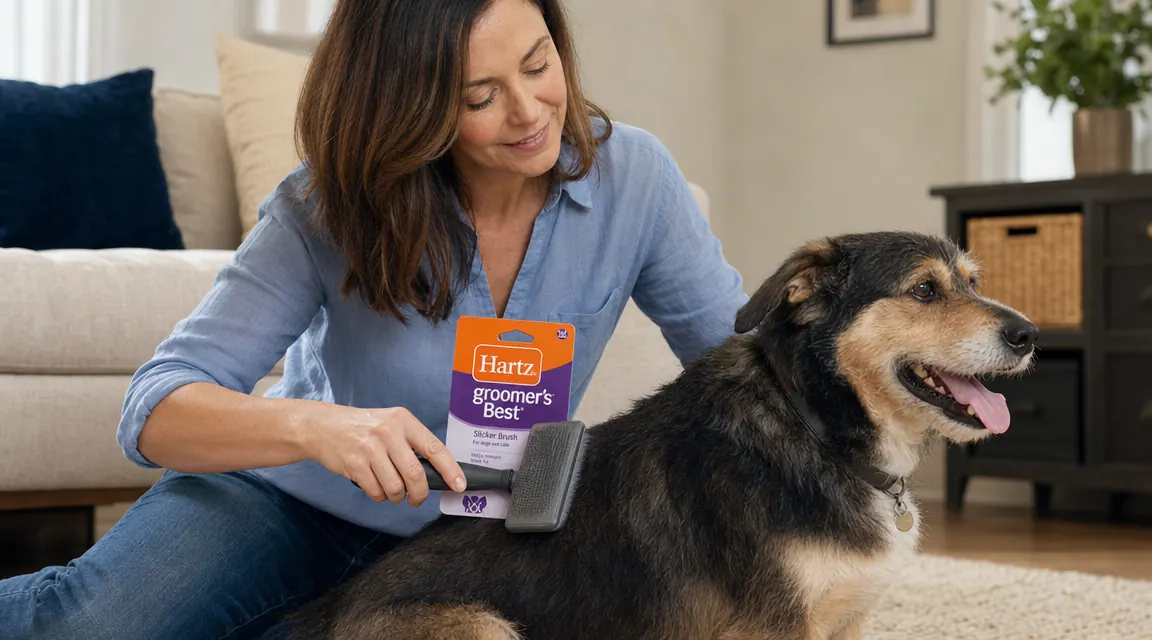
The Hartz Groomer's Best Small Slicker Brush has over 28,000 reviews on Amazon and works on both cats and small dogs. The flexible pin head conforms to body curves so you are not raking at angles that hurt. It is the first brush I have owned that Biscuit actually tolerates.
Amazon Check Today's Price on Amazon →Brushing Against the Grain
Brushing against the direction of hair growth pulls at the skin and snags tangles instead of releasing them. It hurts, even if your pet does not yelp. The fix is straightforward: always brush in the direction the fur naturally lies, then use short backward strokes only to loosen a mat before brushing forward through it. With the Hartz slicker brush, I start at the rear of the body and work forward. Biscuit went from tensing up immediately to sitting still for a full session.
Skipping the Undercoat Entirely
The surface coat can look smooth while the undercoat is a compressed mess of shed fur. This is where mats form and where loose hair accumulates until it affects skin airflow. A slicker brush with fine, flexible pins reaches both layers when used correctly. I work in sections with the Hartz brush, lifting the top layer with one hand and brushing through the undercoat from root to tip. It takes an extra two minutes and it is the only way grooming actually reduces shedding.
Pressing Too Hard
More pressure does not mean better grooming. It means scratched skin, a stressed pet, and a brush session that ends early because your dog or cat has had enough. The slicker brush does the work through pin contact and light passes, not pressure. I test the pressure by running the Hartz brush across the back of my own hand first. If it feels sharp, I am pressing too hard. Light, overlapping strokes cover more ground with less friction.
Using a Dog Brush on a Cat (or Vice Versa)
Dog brushes tend to have wider pin spacing and stiffer bristles designed for coarser coats. Cat fur is finer and the skin is more sensitive. Using a dog-sized brush on a cat is like using a garden rake on short grass. The Hartz Groomer's Best is specifically sized for cats and small dogs, which means pin density and head size are proportioned correctly for smaller, finer coats. I use one brush for both Biscuit and Pepper instead of keeping separate tools that I inevitably mix up.
Waiting Until Mats Form to Brush
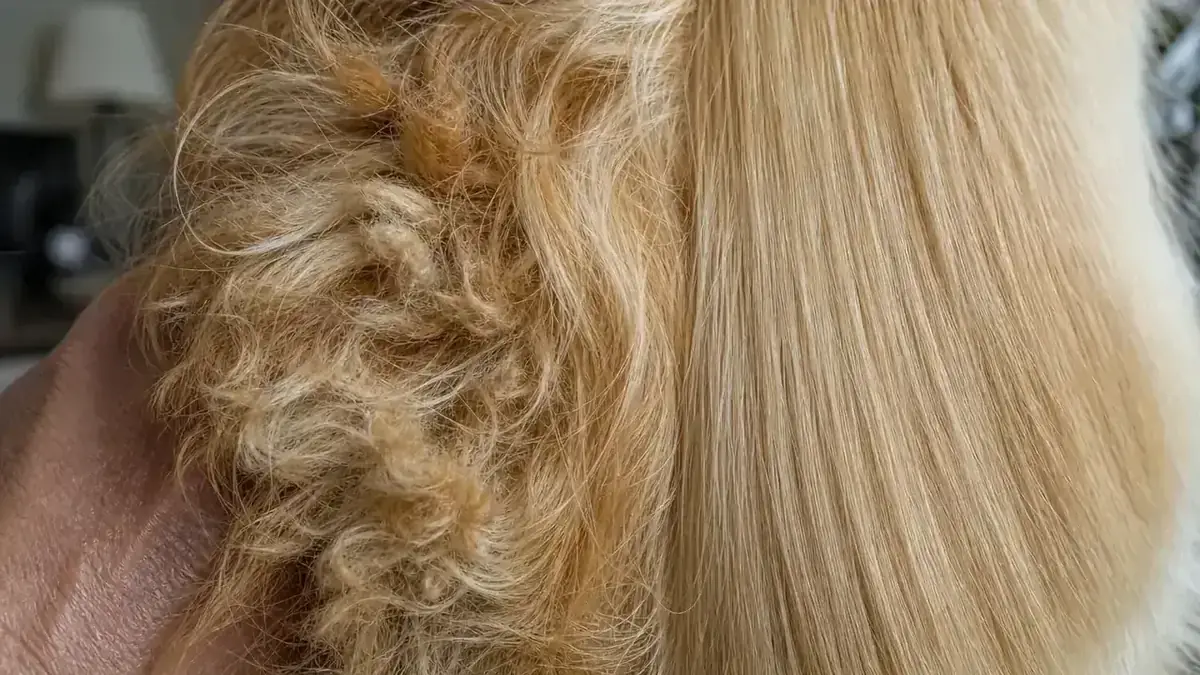
Reactive grooming, brushing only when you notice a mat, is always harder on the animal than regular maintenance. A mat that has been forming for two weeks requires more force to work out and makes your pet associate grooming with discomfort. I brush Pepper twice a week during shedding season and once a week otherwise. Each session takes under five minutes with the Hartz slicker because there is never much buildup. The same coat with two weeks of neglect would take 20 minutes and end badly.
Rushing Through Sensitive Areas
Armpits, behind the ears, the base of the tail, and the chest are the spots most likely to mat and the spots most sensitive to touch. I used to brush right over them at the same pace as the back, and Pepper would snap at the brush. Now I slow down for those areas, use shorter strokes, and hold the skin gently taut with my free hand to reduce pulling. The flexible head on the Hartz slicker helps here because it bends slightly rather than catching at awkward angles.
Ignoring the Belly and Chest
Most people brush the back and sides and call it done. The belly and chest get skipped because it requires the animal to cooperate in a more vulnerable position. But those areas shed just as much and mat just as easily. I trained both Pepper and Biscuit to accept belly brushing by starting with a single stroke and a treat, then building up over several sessions. Once they were comfortable, a few passes with the Hartz slicker on the chest and belly became routine.
Never Cleaning the Brush Mid-Session
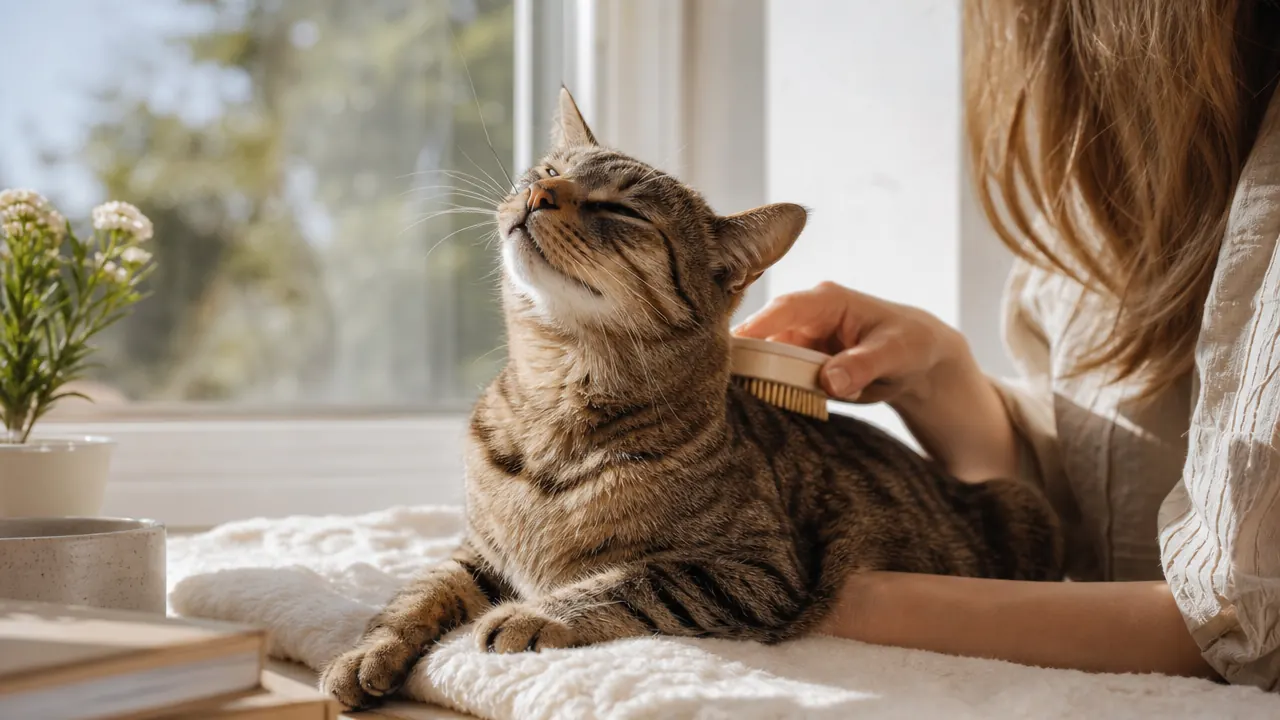
A brush clogged with loose fur stops working. The pins drag rather than glide, and you end up redistributing hair rather than removing it. I clear the Hartz slicker every 30 to 40 strokes by pulling the collected fur off the pins with my fingers. After each full grooming session, I wash the brush head with warm water and a drop of dish soap, rinse, and let it air dry. This keeps the pins working the same as when the brush was new.
Trying to Brush a Wet or Damp Coat
Wet fur stretches before it breaks, which means brushing after a bath without fully drying the coat first pulls more and damages more. Mats also tighten when wet and become harder to work through once dry. I wait until both Pepper and Biscuit are completely dry before I brush them. If I need to groom before that, I use my fingers to gently work out any tangles while the coat is still damp, then follow up with the Hartz slicker once everything is dry.
Ending on a Bad Note
If a grooming session ends because your pet escaped or you gave up mid-struggle, that is the experience they remember. I used to fight through Biscuit's resistance until she bolted, and then she got harder to brush every single time. Now I stop while things are still going reasonably well, give a treat, and end the session on my terms. Short, positive sessions repeated regularly build tolerance far better than one long battle every three weeks.
What I'd Skip
I would skip any grooming tool that claims to work on every coat type. Coarse double coats, fine single coats, and medium-length shedding coats all behave differently. I have wasted money on multipurpose brushes that performed poorly on all three. I would also skip rubber curry brushes as a primary tool for dogs with longer fur. They work on short, smooth coats but do nothing for undercoat removal or mat prevention on anything with length. The Hartz slicker is not magic, but it does what it claims for small dogs and cats.
Biscuit went from hiding when she saw the brush to sitting still for a full session. The tool mattered, but so did stopping before she had a reason to dread it.
If you only fix one thing, start with the brush itself.
The Hartz Groomer's Best Small Slicker Brush is budget-priced and built for exactly the coat sizes most pet owners are working with. Rated 4.5 stars across nearly 29,000 reviews. It is the brush I recommend to anyone who tells me their cat or small dog hates being groomed.
Amazon Check Today's Price on Amazon →